
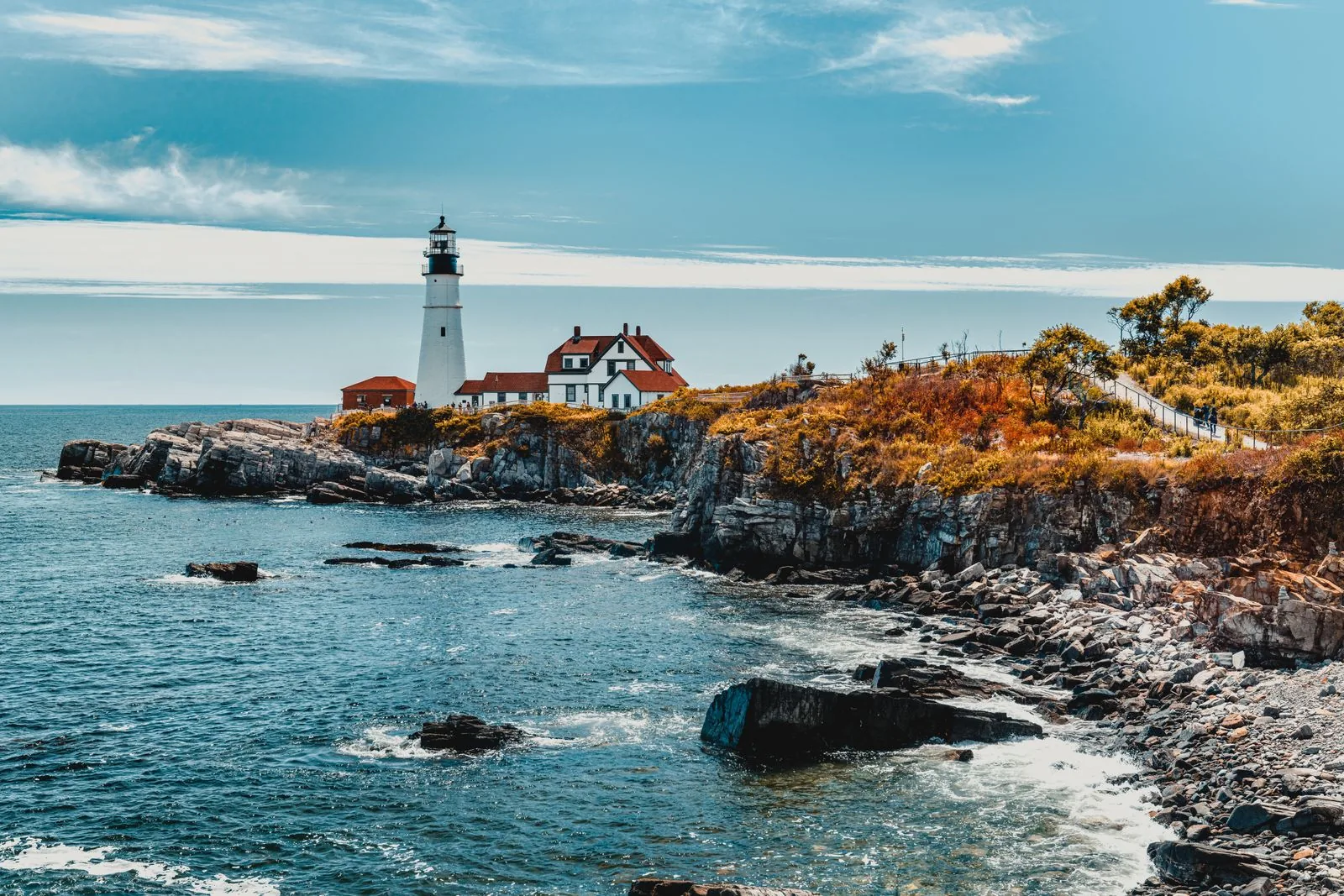
Far up the coast toward Brazil, past the surf towns and the last of the resorts, the Uruguayan shore turns properly wild, and at its heart is Cabo Polonio — a village of the imagination as much as the map. There are no paved roads in, no mains electricity, no mobile signal to speak of; just a scatter of ramshackle houses among the dunes, a lighthouse, a colony of sea lions on the rocks, and some of the darkest, most star-filled skies in the country.
Getting there is part of the experience. Cabo Polonio sits inside a national park, and the only way in is to leave your car at the entrance and ride a rugged 4x4 truck across several kilometres of shifting dunes to the village — a bouncing, laughing, unforgettable arrival that sets the tone perfectly. From the moment the truck drops you, you are off the grid, and the modern world feels very far away.
Life here runs on sun and candlelight. A handful of simple hostels and cabins offer solar power and gas, water is precious, and after dark the village falls back on candles, head-torches and the extraordinary blaze of the Milky Way overhead. Days are for the beaches, the dunes, the sea lion colony below the lighthouse and doing very little; nights are for the stars and the sound of the surf.
Come prepared and pack light but smart. Bring cash (there are no ATMs), a torch, layers for the wind, and a relaxed attitude to comfort — this is rustic by design, and that's the whole appeal. Lonely Planet's Uruguay pages are good for current practicalities, as things here change with the seasons and the weather. Book somewhere to sleep ahead in summer; the village is tiny and fills up.
Nowhere else in Uruguay feels quite like it. Cabo Polonio is a place that strips travel back to its essentials — wild nature, simple shelter, real dark and real quiet — and travellers who make the effort to reach it almost always name it their favourite corner of the country. Give it two or three nights, let the pace of no-electricity living reset you, and you'll leave a little changed.